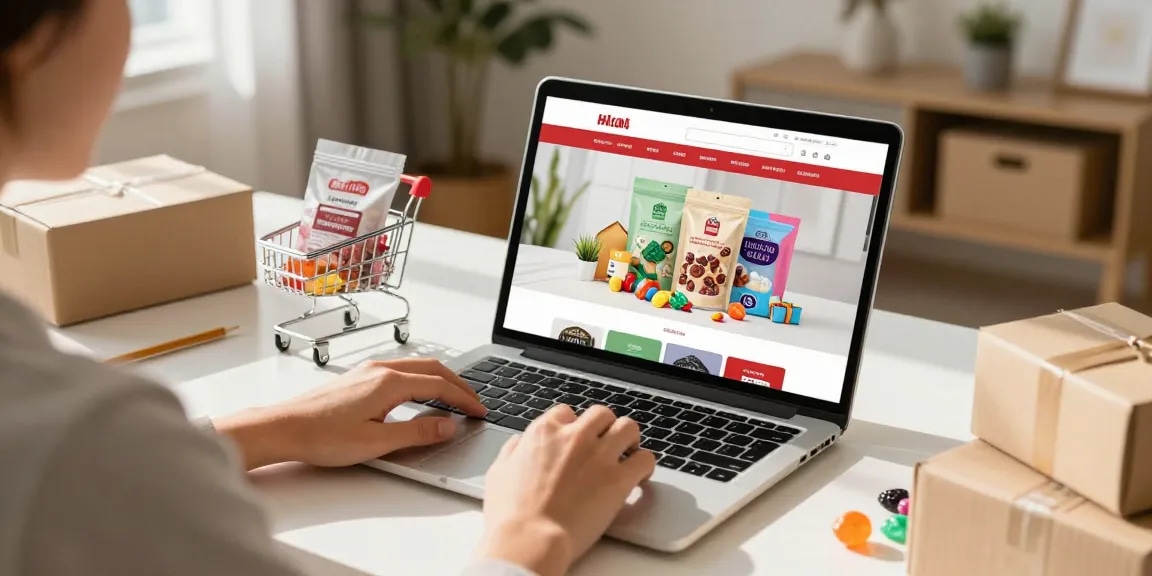
1. The Rise of Halal Candy: Trends and Popularity
In recent years, Halal candy has surged in popularity, becoming a staple in diverse households seeking high-quality, ethical treat options. As consumers increasingly prioritize health and dietary requirements, the demand for products that align with specific lifestyle choices has escalated. Halal candy not only caters to the Muslim community but also attracts people looking for ethically sourced sweets, further expanding its market reach. The allure of these candies lies in their unique flavors, premium ingredients, and adherence to stringent dietary certifications. When exploring options, Halal Candy provides comprehensive insights into available choices for every type of sweet tooth.
1.1 What Makes Halal Candy Special?
Unlike regular candy, Halal candy adheres to Islamic dietary laws, ensuring that all ingredients are permissible for consumption by Muslims. This involves not only the exclusion of certain ingredients, like pork gelatin and alcohol, but also the ethical sourcing of ingredients. Halal-certified candies must undergo rigorous verification and come with clear labeling, providing peace of mind for consumers. Additionally, many Halal candies are increasingly becoming vegan and gluten-free, appealing to a broad range of consumers looking for plant-based or allergen-free options.
1.2 Key Ingredients and Certifications
Typically, Halal candy utilizes alternative gelling agents such as agar-agar, pectin, or carrageenan to replace animal-derived ingredients. This opens the door for "gummy" varieties that would otherwise be unsuitable for Halal consumption. Certifications play a critical role; products must be verified by recognized certification bodies to carry the Halal label. Shoppers should look for authentic certifications to ensure the integrity and authenticity of the candy they purchase, reinforcing customer confidence and loyalty.
1.3 Health Benefits and Dietary Considerations
One of the key benefits of choosing Halal candy is the emphasis on quality ingredients, which can lead to healthier options. Many Halal candies often boast less artificial flavoring, colors, and preservatives compared to conventional candies. Additionally, as the market grows, more brands are opting for organic and natural ingredients, providing not just sweets, but healthier indulgences. This makes Halal candy suitable for those seeking to manage sugar intake while enjoying a treat without compromising dietary choices.
2. Comparing Halal Candy Brands: Which Ones to Choose?
Numerous brands have entered the Halal candy market, each offering unique products catering to various tastes and preferences. It's essential to compare key factors such as ingredients, taste, pricing, and customer satisfaction to find the best options available. By doing so, consumers can maximize their shopping experience and ensure they are selecting products that meet their expectations and needs.
2.1 Top-Rated Halal Candy Brands Reviewed
When examining top choices for Halal candy, several brands stand out. For example, brands like Haribo (which offers specific Halal lines), and SweetTooth are lauded for their delicious flavors and quality. Additionally, local artisanal brands are making waves, emphasizing handmade, traditional methods that reflect cultural authenticity. Reading reviews and experiencing various brands can guide consumers toward the most satisfying picks apart from individual taste preferences.
2.2 Pricing Strategies: Budget-Friendly vs. Premium Options
The price of Halal candy can vary widely, from budget-friendly options to premium gourmet sweets. Budget-conscious shoppers can find many affordable brands that maintain quality, while those looking for unique flavors and luxurious packaging may opt for premium. It's essential to consider both price and quality when making purchases, ensuring that the overall value aligns with the buyer’s expectations and needs.
2.3 Customer Reviews and Social Proof for Buyers
Customer reviews serve as powerful trust signals in the e-commerce world. They provide useful insights and help prospective buyers gauge the quality and popularity of various brands. High ratings, positive feedback, and detailed reviews create a sense of security for consumers, influencing their purchase decisions significantly. Buyers should actively seek out and read reviews to build confidence before making a selection, making the shopping experience smoother and more satisfying.
3. E-Commerce Optimization for Halal Candy Sales
For retailers selling Halal candy, optimizing their e-commerce strategies is crucial for increasing visibility and conversion rates. Companies must be proactive in their approach to reaching potential customers through effective product listings and marketing tactics that resonate with buyers.
3.1 Marketplace Presence: Amazon vs. Own Store
Retailers often face the choice of selling their Halal candy on established marketplaces like Amazon or focusing on their own e-commerce sites. Selling on a marketplace offers broad exposure and trust among consumers, while an owned store allows for better branding and direct customer engagement. Retailers should weigh the benefits and drawbacks of each, considering factors such as fees, audience reach, and customer relationship management.
3.2 Listing Optimization to Boost Visibility
Effective product listing optimization plays a vital role in driving traffic and conversions. High-quality images, concise descriptions, and keywords relevant to Halal candy should be used strategically throughout product pages. Attention to detail, such as using bullet points for easy readability and including customer reviews prominently, can substantially improve engagement and click-through rates.
3.3 Conversion Rate Strategies: Upselling and Cross-selling
Implementing upselling and cross-selling strategies is a proven tactic to enhance average order value (AOV) and overall sales. During the shopping process, offering substitutes or complementary items like beverages or snack assortments alongside Halal candy can entice customers to purchase more items. These techniques not only boost sales but also enhance customer satisfaction by presenting more tailored choices.
4. Shipping and Delivery for Halal Candy Purchases
Efficient shipping and reliable delivery are critical components of e-commerce that significantly influence customer satisfaction and retention. Retailers need to establish best practices that prioritize customer convenience while mitigating costs and improving operational efficiency.
4.1 Best Practices for Fast Fulfillment
Fast and reliable fulfillment can be a game-changer for e-commerce retailers. Optimizing supply chain and logistics processes, ensuring that stocks are well-managed, and leveraging third-party fulfillment services can drastically reduce delivery times. Retailers should communicate expected delivery dates clearly on their sites to set proper expectations and avoid dissatisfaction.
4.2 Return Policies and Buyer Protection Tips
Having a transparent return policy not only enhances trust but also encourages purchases. Buyer protection policies should clearly outline how returns work, including time frames, conditions for returning candy, and refund processes. A customer-friendly approach can significantly minimize cart abandonment rates and build long-term relationships with shoppers.
4.3 Local Pickup and Convenience Options
For local customers, offering a convenient pickup option can enhance the shopping experience. Local pickup is particularly appealing in community-oriented areas, where shoppers appreciate the opportunity to bypass shipping fees and receive their orders quicker. Implementing such options, alongside traditional shipping methods, ensures that retailers cater well to diverse consumer preferences.
5. The Future of Halal Candy: Innovations in 2026
As the Halal candy market continues to evolve, innovations are driving new trends that will shape consumer choices and e-commerce strategies going forward into 2026 and beyond. Keeping up with these trends can provide retailers with a competitive edge and help adapt to changing consumer demands.
5.1 Seasonal Sales and Promotions to Watch
Seasonal sales can create significant spikes in sales for retailers. Halal candy brands can harness occasions like Ramadan and Eid celebrations to promote special sales or gift bundles. Capitalizing on these events not only increases visibility but also allows for effective engagement with customers looking to make purchases during these times.
5.2 Technology and Mobile Commerce Trends
The rise of mobile commerce continues to transform how consumers shop for products, including Halal candies. With an increasing number of shoppers turning to mobile devices, it's essential for retailers to have mobile-optimized websites and shopping experiences. Advances in technology such as AI-driven recommendations can enhance personalization and engagement, further increasing conversion rates.
5.3 Loyalty Programs: Retaining Halal Candy Customers
Loyalty programs have become integral to retaining repeat customers in the competitive candy market. Offering rewards or points for purchases can incentivize customers to stick with a brand. By fostering a sense of community and appreciation among their shoppers, retailers can build long-lasting customer relationships, which proves beneficial for consistent sales growth.
FAQs
What is Halal Candy?
Halal candy refers to confectionery products that comply with Islamic dietary laws, meaning they are made with permissible ingredients and certified Halal by recognized authorities.
Are there different types of Halal Candy?
Yes, Halal candy comes in various forms, including gummies, chocolates, hard candies, and nougat, catering to diverse taste preferences and dietary requirements.
How can I ensure I am buying authentic Halal Candy?
To ensure authenticity, look for products that display Halal certifications from recognized certifying bodies, review ingredient lists, and check for reliable customer reviews.