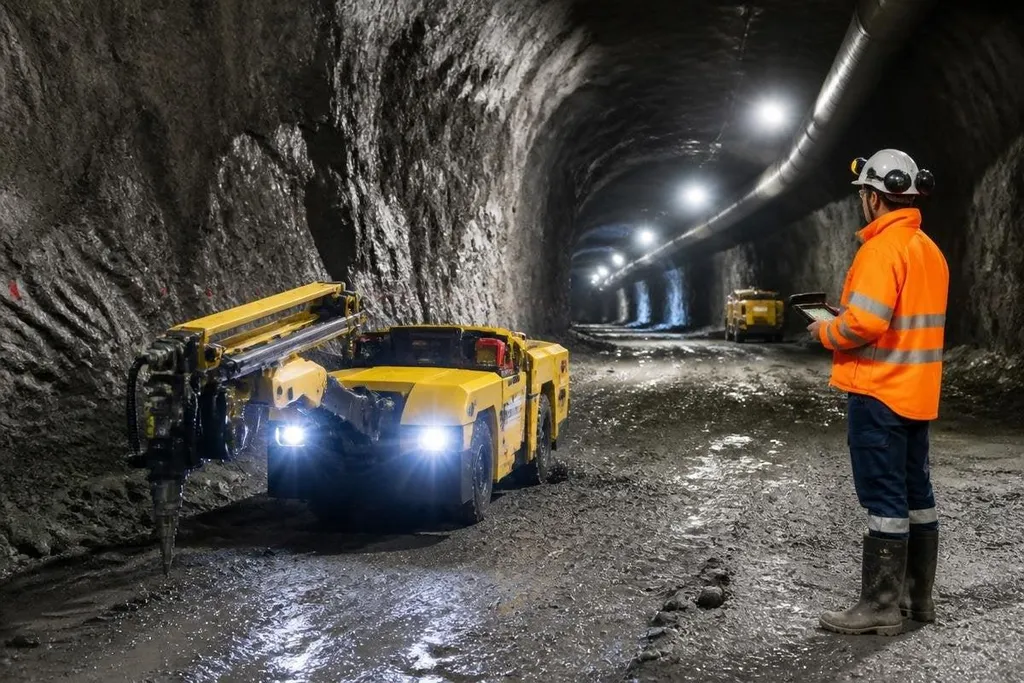
A mining robot can remove people from dangerous areas, but that alone doesn't show an environmental gain. The result depends on its power source, battery, maintenance, transport, and what happens when the system reaches the end of its working life.
This article sets out the evidence a mine should ask for before calling a robot cleaner than a human-led process. No evidence pack was supplied for a named robot or mine, so the points below are a measurement guide, not a product verdict.
- Count electricity, fuel, battery work, repairs, and transport across the robot's full operating period.
- Measure land, water, dust, noise, and waste at the mine site rather than relying on sales claims.
- Compare the robot with the process it replaces, using the same task and production target.
Power use changes the result
The first question is simple: how much energy does the robot need for one completed task? That figure should include charging losses, computers, sensors, cooling, workshop equipment, and any support vehicle needed to move or recover the robot.
The power source matters as much as the robot's motor. A system charged from a low-carbon grid may produce a different result from one charged by a diesel generator. A mine should record the electricity or fuel used per shift, then tie that number to the tonnes moved, samples collected, or inspection tasks completed.
Idle time belongs in the record too. A robot that spends long periods waiting still draws power from its control systems and charging equipment. A report that counts only movement can make the machine look cleaner than it is.
Fewer people does not mean less impact
Remote operation may reduce the number of workers sent into unstable areas. That can change transport needs, shelter use, ventilation, and site traffic. The environmental result still depends on what replaces those activities.
A smaller crew may need more cameras, radios, batteries, network equipment, or recovery vehicles. If a robot fails in a tunnel or open pit, another vehicle may have to enter the area. Those support tasks belong in the comparison.
Mining robots also interact with land and wildlife. A machine may reduce exposure to people while adding vehicle tracks, noise, lights, or repeated movement through a habitat.
The right record includes where the robot travels, how often it passes through the same area, and what safeguards stop it from entering restricted zones.
A mining robot’s environmental record also depends on battery size, travel distance, repair needs, and service life. A report at Robot 24 can connect those figures to the named machine and mining site before you examine what happens to its batteries and hardware.
Batteries and hardware have a long tail
The robot's environmental cost starts before it reaches the mine. Materials, factory energy, shipping, spare parts, and replacement batteries all belong in the account. A machine that runs for many years may spread those costs across more work than one that needs early replacement.
Battery records should show chemistry, capacity, charge cycles, repair policy, and end-of-life handling. The same applies to motors, cameras, computers, tires, tracks, and arms. A sealed part that must be replaced as one assembly can create more waste than a repairable part, even if both systems perform the same task.
Water and waste need their own lines. Washing equipment, cooling electronics, suppressing dust, and managing damaged batteries can affect the site in different ways. Combining every material into one broad figure hides the source of the impact.
What a credible comparison includes
A mine comparing a robot with its current process should ask for records that cover the same work period and output. Use this checklist before accepting a claim about lower environmental impact:
- Task boundary: Name the exact task, site area, work hours, and output used in the comparison.
- Energy record: Log grid electricity, generator fuel, charging loss, and support vehicle use.
- Hardware life: State expected service life, battery replacement intervals, repairs, and spare parts.
- Site effects: Measure tracks, noise, dust, water use, light, and restricted-area incidents.
- Waste route: Name the repair, recycling, storage, or disposal path for batteries and failed parts.
- Comparison rule: Use the same production target for the robot and the process it replaces.
The strongest report also states what was not measured. That gap matters because a robot can reduce one burden while adding another elsewhere.
The evidence still needs to arrive
A mining robot may reduce risk to workers and change how a site uses vehicles, power, and equipment. Its environmental value remains unproven until a mine publishes task-level energy data, hardware-life records, site measurements, and a fair comparison with the old process.
I'd wait for that balance sheet before calling any mining robot a cleaner choice.