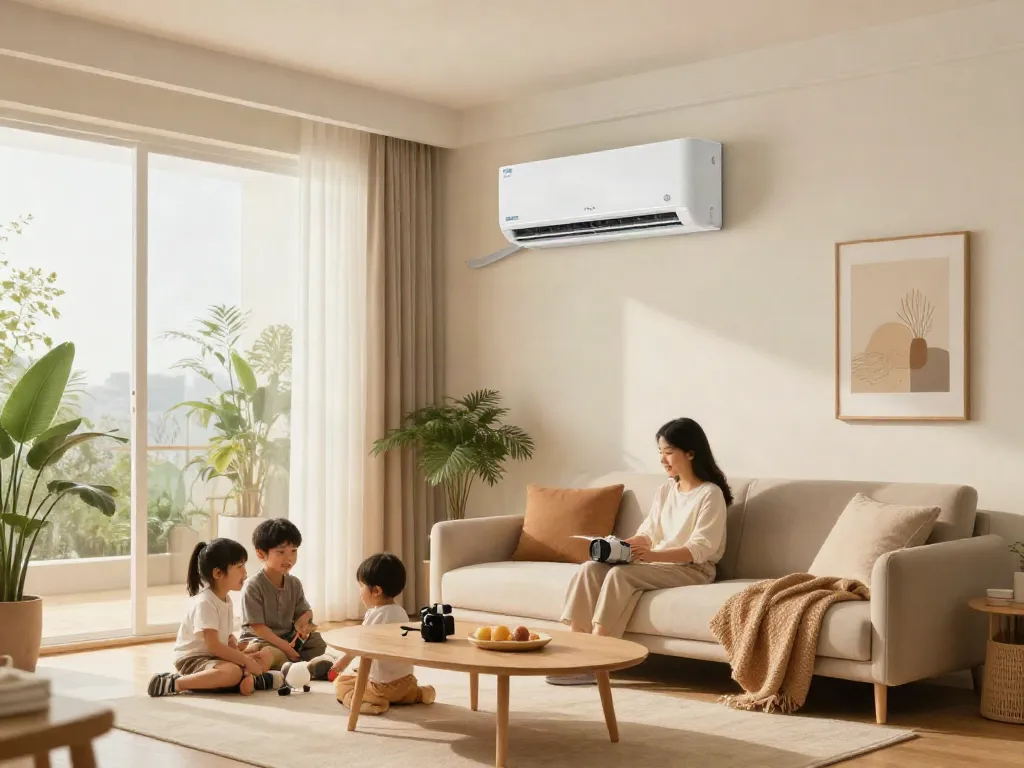
Understanding 18k Mini Split Systems
The growing demand for efficient and versatile climate control solutions has led to a surge in the popularity of mini split systems, particularly the 18k mini split model. This type of system provides an ideal balance between performance, cost, and energy efficiency for a variety of living spaces. With features that cater to both residential and commercial settings, understanding the dynamics of an 18k mini split can significantly enhance your comfort while optimizing energy consumption.
When exploring options, 18k mini split systems deliver comprehensive insights into effective cooling and heating solutions. By offering both ductless and efficient heating capabilities, these units are an excellent choice for anyone looking to upgrade their existing heating and cooling systems.
What is an 18k Mini Split?
An 18k mini split, often referred to as an 18,000 BTU (British Thermal Unit) system, is designed to efficiently heat or cool spaces up to 1,000 square feet, depending on insulation and other factors. This capacity makes it suitable for medium to large rooms such as living rooms, open-plan areas, and even garages. The compact design of mini splits eliminates the need for ductwork, making them a preferred choice for homes without existing duct systems or for retrofitting older buildings.
How Mini Split Systems Work
Mini split systems consist of two main components: an indoor air-handling unit and an outdoor condenser. The indoor unit is mounted on the wall or ceiling of a room, while the outdoor unit is installed outside the home. The two units are connected by refrigerant lines that allow for the exchange of heat. During cooling, the indoor unit absorbs heat from the room and transfers it outside. Conversely, during heating, the process is reversed, warming the indoor space efficiently.
Additionally, many modern mini splits come equipped with inverter technology, which allows the system to adjust its cooling or heating output based on the room's requirements, leading to greater energy savings and enhanced comfort.
Benefits of Ductless Cooling Systems
- Energy Efficiency: Mini splits are known for their superior energy efficiency compared to traditional HVAC systems. Their ductless design prevents energy loss that occurs in ductwork.
- Flexible Installation: The absence of ductwork means that mini splits can be installed in various configurations, making them suitable for nearly any type of space.
- Zone Control: Mini splits facilitate zoned heating and cooling, allowing you to set different temperatures for different rooms, enhancing comfort and efficiency.
- Improved Air Quality: Ductless systems often have advanced filtration systems that improve indoor air quality by reducing dust, allergens, and other pollutants.
Key Features to Consider
BTU Capacity and Room Size Fit
Choosing the correct BTU capacity is crucial for ensuring that your 18k mini split system operates efficiently. A unit that is too small will struggle to maintain the desired temperature, while one that is too large can cycle on and off excessively, leading to increased wear and reduced efficiency. For rooms around 550 to 1,000 square feet, the 18,000 BTU capacity is ideal.
Energy Efficiency Ratings Explained
Understanding energy efficiency ratings such as SEER (Seasonal Energy Efficiency Ratio) and HSPF (Heating Seasonal Performance Factor) is essential when selecting a mini split system. Higher ratings indicate better energy efficiency, which can lead to lower utility bills and a reduced carbon footprint. Look for systems with SEER ratings of 20 or above for optimal performance.
Noise Levels and Comfort
When choosing a mini split system, consider the noise levels of both the indoor and outdoor units. Many modern systems are designed to operate quietly, often with indoor units producing sound levels comparable to a whisper. This is particularly important in residential settings where comfort and tranquility are priorities.
Installation and Maintenance Tips
Professional vs. DIY Installation
While some homeowners may opt for DIY installation to save costs, it is often advisable to hire a professional for mini split installation. Professional installers ensure that the system is correctly sized, placed, and connected, maximizing efficiency and minimizing potential issues. Additionally, many manufacturers void warranties if the units are not installed by certified professionals.
Regular Maintenance Requirements
To keep your 18k mini split running efficiently, regular maintenance is essential. This includes cleaning or replacing filters every few months, inspecting the outdoor unit for debris, and checking refrigerant levels. Scheduling annual professional maintenance services can also help catch potential issues before they become major problems.
Troubleshooting Common Issues
Common problems with mini split systems include insufficient cooling or heating, strange noises, and faulty remote controls. Before calling a technician, check the air filters, ensure the unit isn't blocked by furniture or debris, and verify the thermostat settings. If issues persist, consult with a professional technician.
Cost Analysis and Budgeting
Initial Costs vs. Long-Term Savings
The initial cost of purchasing and installing an 18k mini split system can vary widely depending on the model and the complexity of the installation. However, these costs are often offset by long-term energy savings. Many homeowners report significant reductions in energy bills after switching to mini split systems due to their efficiency and ability to heat or cool specific zones rather than the entire home.
Comparing Different Brands and Models
When selecting an 18k mini split system, it is important to compare various brands and models. Look for reputable manufacturers known for reliability and customer service. Also, check for product reviews and performance ratings to ensure that you are making an informed decision. Consider factors such as warranty, availability of replacement parts, and customer support.
Financing and Incentives for Upgrades
Many utility companies and government programs offer incentives for purchasing energy-efficient HVAC systems, including mini splits. Research available rebates or tax credits in your area to help offset the initial investment. Some retailers also offer financing options, allowing homeowners to spread out the cost of their investment over time.
Future Trends in Mini Split Technology
Smart Home Integration
The evolution of technology has led to the integration of smart features in mini split systems. Many models now come equipped with Wi-Fi connectivity, allowing users to control the system remotely through smartphones or smart home devices. This feature enables homeowners to adjust settings and monitor energy usage from virtually anywhere.
Advancements in Energy Efficiency
As technology continues to advance, mini split systems are becoming even more energy-efficient. Look for units that utilize new compressor technologies or enhanced heat exchange systems, which can significantly reduce energy consumption and improve overall performance.
Eco-Friendly Refrigerants and Sustainability
The HVAC industry is moving towards more environmentally friendly refrigerants as manufacturers phase out harmful substances like R-410A. Innovations in refrigerant technology not only help reduce the carbon footprint but also improve the efficiency of mini split systems. Investing in systems that use eco-friendly refrigerants is a step towards sustainable living.
What size room is appropriate for an 18k mini split?
An 18k mini split can efficiently heat or cool spaces ranging from 550 to 1,000 square feet, making it ideal for medium to large rooms.
Are 18k mini splits energy-efficient?
Yes, 18k mini splits are known for their high energy efficiency, often boasting SEER ratings of 20 or higher, which translates to lower energy bills and reduced environmental impact.
How much does it cost to install an 18k mini split?
The installation cost for an 18k mini split varies depending on factors such as location, complexity of the installation, and the specific model chosen. On average, you can expect to pay between $2,000 to $5,000, including both equipment and labor.
What maintenance does an 18k mini split require?
Regular maintenance includes cleaning or replacing filters, checking refrigerant levels, and scheduling annual inspections with a qualified technician to ensure optimal performance.
Are there any incentives for using mini split systems?
Yes, various utility companies and government programs offer incentives for purchasing energy-efficient mini split systems, including tax credits and rebates that can help offset initial costs.